Samarkand Plov: Layered Uzbek Pilaf
A paler zirvak, thick-cut carrots and a layered presentation: how Samarkand plov differs from the Tashkent style and how to cook it at home.
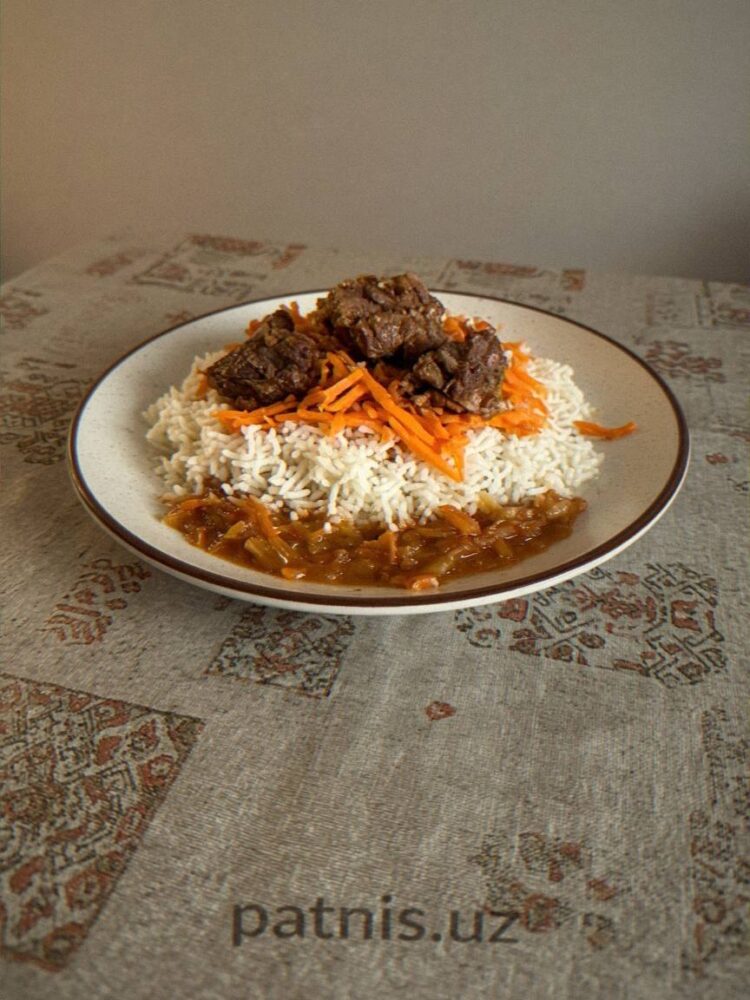
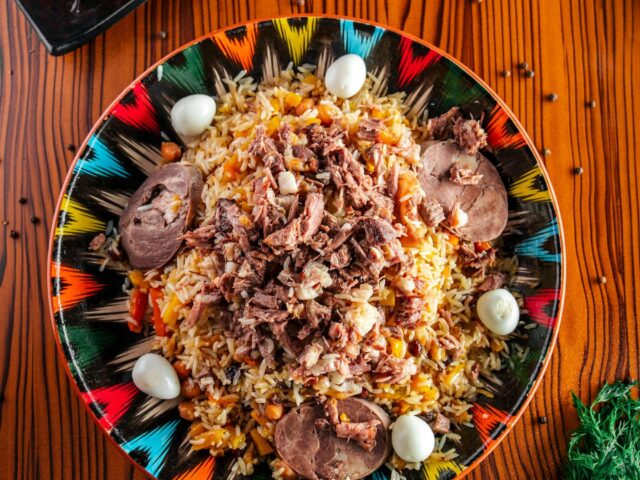
Samarkand is proud of its plov and makes it in its own way. Rice, carrots and meat stay in separate layers in the pot and on the platter. The zirvak is pale, the flavour is gentle and the carrots keep both their sweetness and their shape.
The key difference: no stirring
The meat is only lightly browned before water goes in, and only then are the carrots added. Instead of frying in oil, they steam on top, which makes this plov lighter and less oily than the Tashkent version.
What to watch for
- Keep the meat in big pieces; you will carve it just before serving.
- Cut the carrots thicker than for Tashkent plov, as they steam for a long time.
- Never disturb the layers, even when topping up the water.
Nutrition
Per serving (≈ 400 g). Approximate values.
How to make it
6 steps · start a timer right inside a step
Soak the rice
Wash the rice well and leave it in warm water while you make the zirvak. Cut the meat into palm-sized pieces; in Samarkand plov it is never diced small.
Fry the meat and onions
Heat the oil in the kazan and lightly brown the meat on all sides. Add the onion rings and cook until soft. Unlike the Tashkent version, the meat here is not taken to a dark crust, so the zirvak stays pale.
Add the water
Pour 600 ml of boiling water over the meat, add half the salt and simmer gently for 20 minutes. The meat softens and the liquid develops a rich, meaty flavour.
Layer the carrots
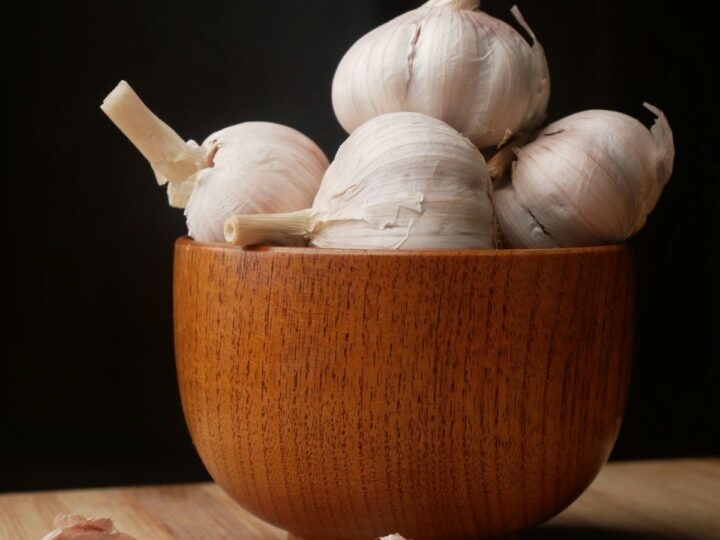
Spread the carrots over the meat in an even layer and do not stir. Sprinkle with cumin and chilli and push the garlic heads into the carrots. Simmer uncovered for 15 minutes so the carrots steam through.

Add the rice
Drain the rice and spread it carefully over the carrots. Season with the rest of the salt and pour in boiling water to cover by 1.5 cm. Cook over high heat until the water is absorbed.
Steam and serve in layers
Mound the rice, poke a few holes, cover and steam over low heat for 25 minutes. Do not mix when serving: lay the rice on the platter first, then the carrots, and finish with the meat and garlic.
Cook’s tips
- 1Heat cottonseed oil hard and fry a whole onion in it until black, then discard it; this removes the oil’s raw smell.
- 2If your carrots are very sweet, add a pinch of black pepper to the zirvak.
- 3Check the seasoning at the rice stage; this is your last chance to adjust the salt.
- 4Poke five or six deep, vertical holes through the rice layer to the bottom of the pot using a wooden spoon handle; this allows steam to circulate evenly throughout the grains, ensuring they cook through without turning mushy.
Serving & storage: Present the pilaf on a large, shallow communal platter with the meat, carrots, and garlic heads arranged prominently on top. It keeps for up to three days in the refrigerator in an airtight container and is best reheated in a pan with a splash of water to steam the grains back to their original texture.
Serving it the Samarkand way
The cook carves the meat directly on the platter in front of the guests. Fresh bread, green tea and a salad of seasonal vegetables go alongside, and in winter a bowl of katyk, a tangy cultured milk, is often served too.
The takeaway
Samarkand plov rewards order: leave the layers alone, lower the heat at the right time and you will get a light, handsome dish. Try cooking it next to Tashkent plov and see which one your family prefers.